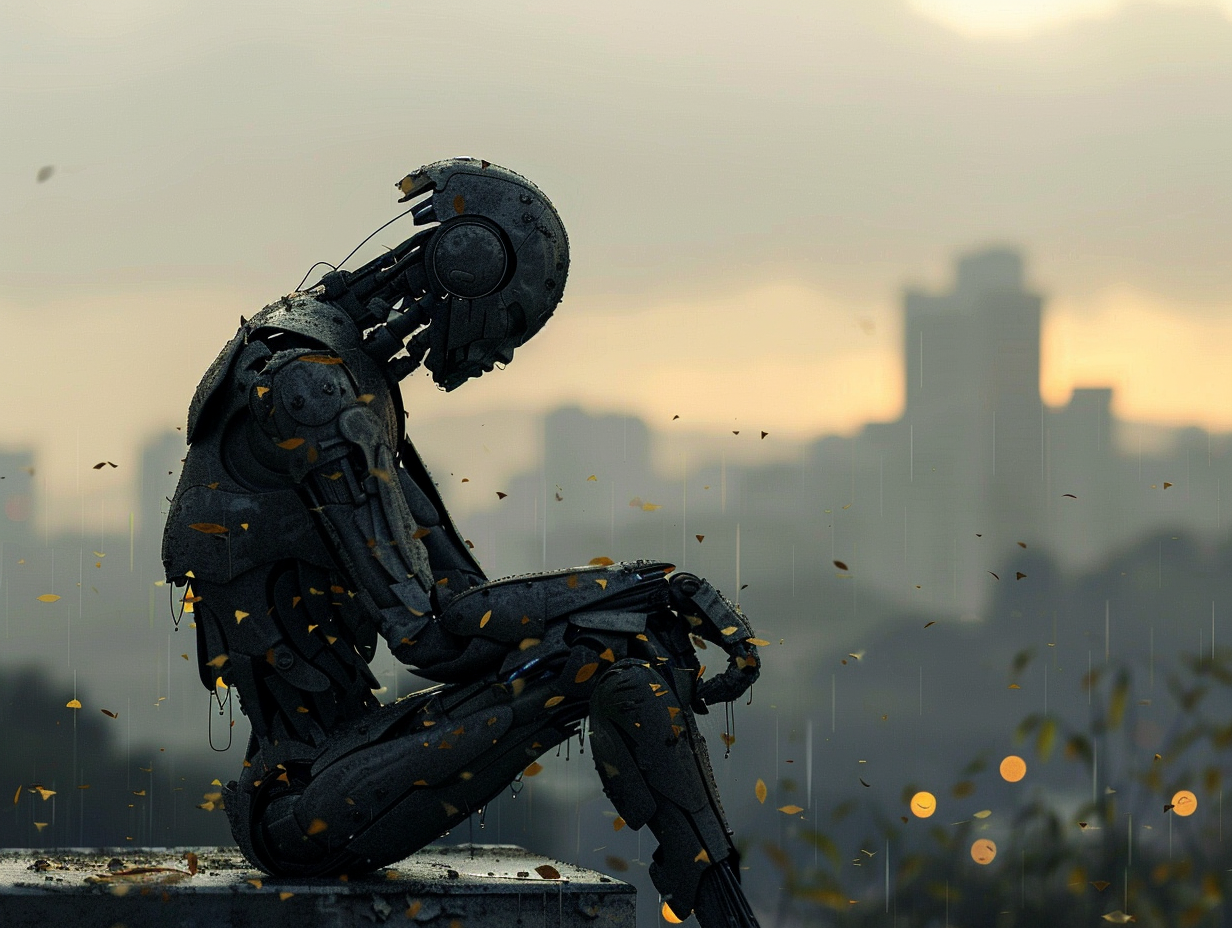
The rise of AI is not just a technological revolution—it’s a social rupture in slow motion. With every leap in capability, from generative language models to autonomous decision-making systems, we inch closer to a world where traditional anchors of stability—jobs, trust, identity, and power—begin to shift, fracture, or disappear.
One major risk is economic dislocation. As AI automates not just manual labor but skilled cognitive work, entire sectors may face redundancy. This isn’t just about unemployment—it’s about meaning, status, and the social contracts that bind us. Meanwhile, AI supercharges disinformation, amplifies bias, and challenges the notion of shared reality. When synthetic voices, images, and narratives become indistinguishable from the real, the foundations of democratic discourse weaken.
At a deeper level, AI is centralizing power in unprecedented ways. Those who control the data and the algorithms wield influence across borders, with limited accountability. In the rush to deploy and compete, regulation lags behind—and the space for slow, democratic deliberation shrinks. The question is no longer if AI will reshape society, but whether our institutions, values, and foresight are strong enough to keep pace.
Leave a Reply