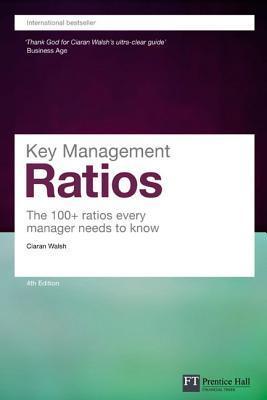
Ciaran Walsh invites us to see the balance sheet not as a dry list of figures, but as a living snapshot of a business’s story and strategy. In his teaching and writing, he reframes it as a tool for asking critical questions—not just “What does the company own?” but “Why does it own it?” and “How is it financing its ambitions?”
At its core, Walsh conceptualizes the balance sheet as a map of business decisions. The left side—assets—reflects what the business chooses to invest in: factories, software, receivables, cash. The right side—liabilities and equity—reveals how those investments are funded: through debt, shareholder capital, or retained earnings. Rather than viewing the two sides as static opposites, he sees them as in dialogue: every asset implies a financing decision; every liability implies a strategic risk or constraint.
This mindset shifts the balance sheet from a compliance document into a lens for understanding business models, risk, and value creation. For Walsh, financial literacy isn’t just about decoding numbers—it’s about interpreting intent.